Woman’s Magazine, 1929–32
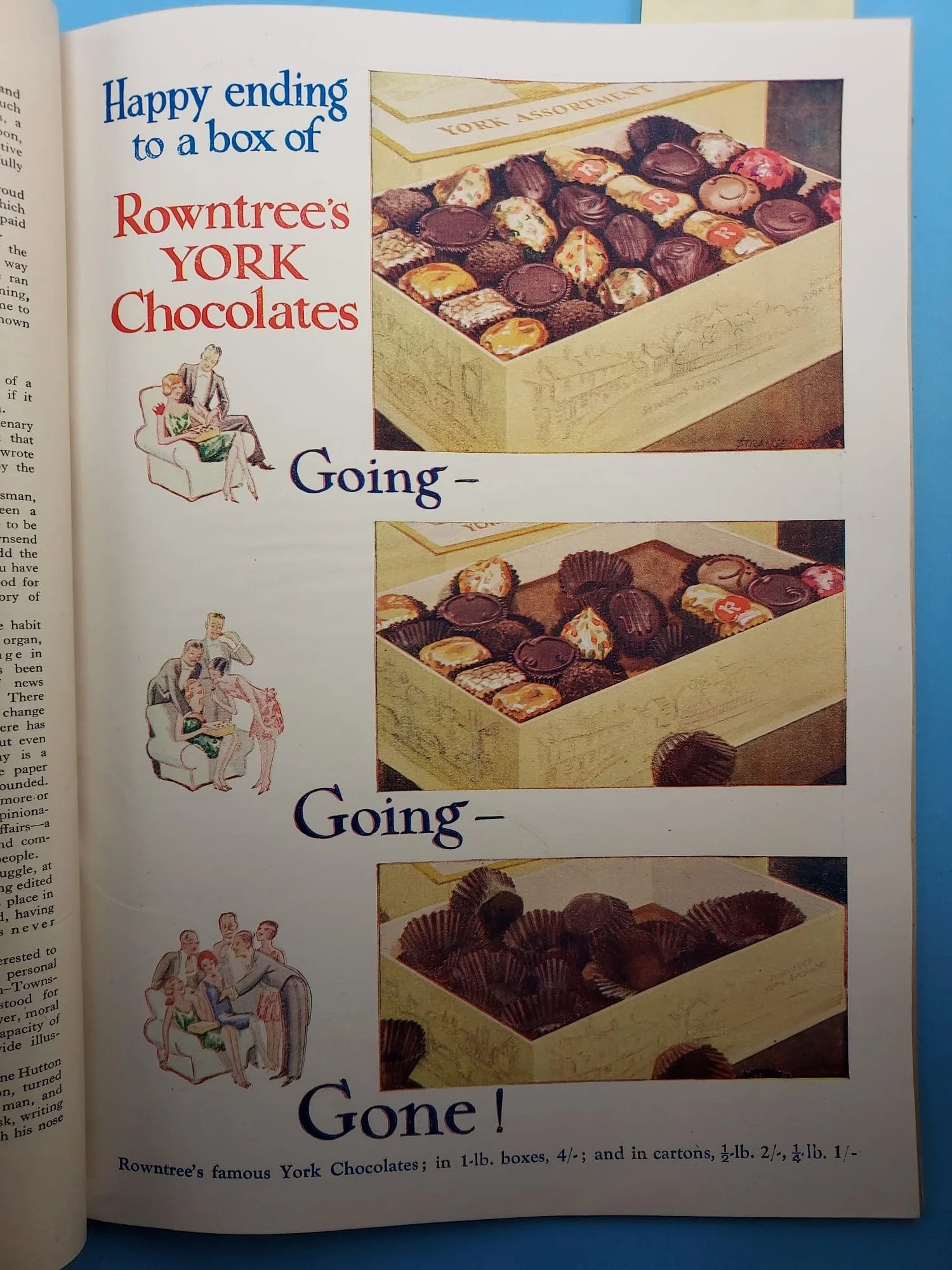
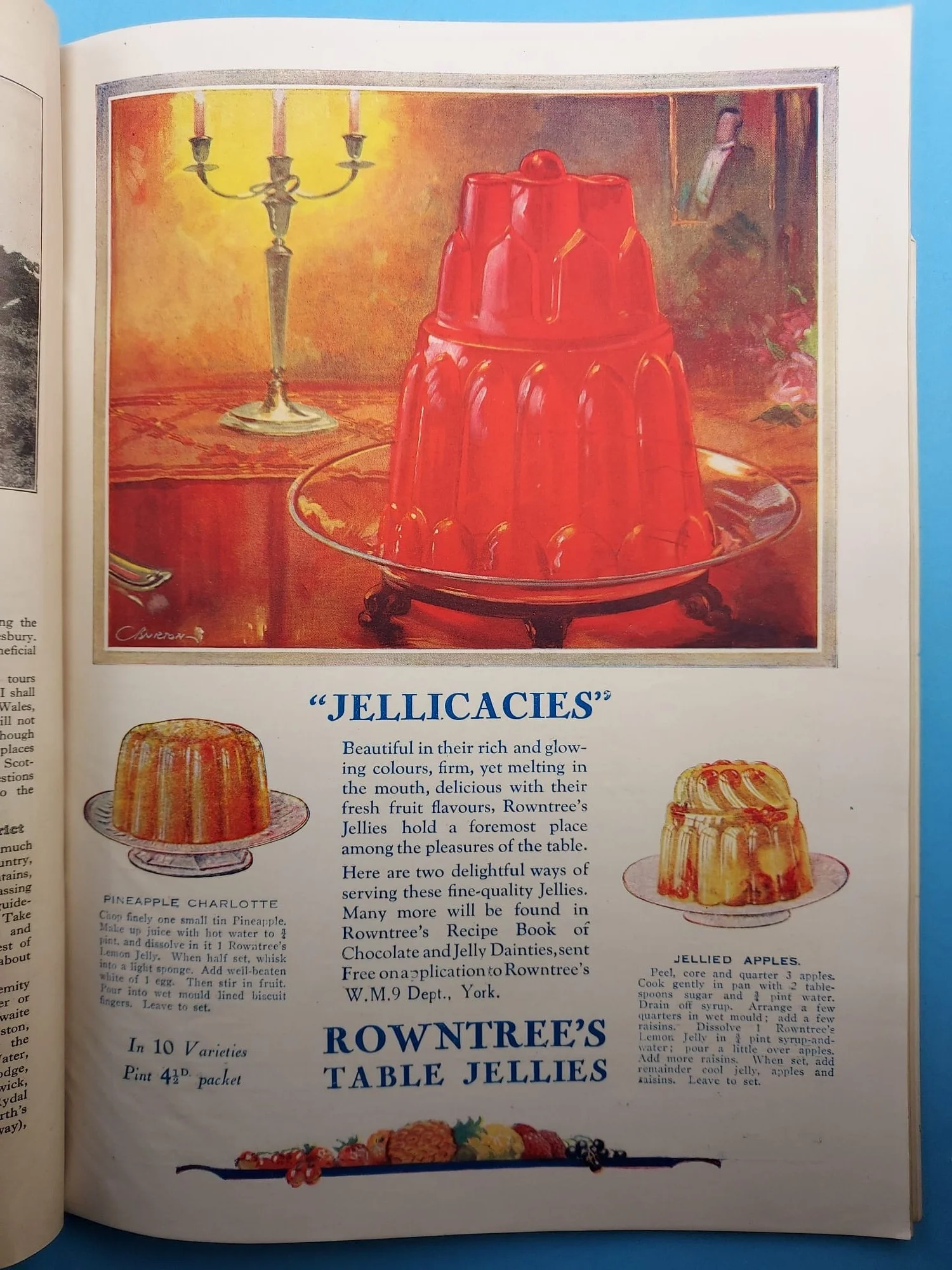
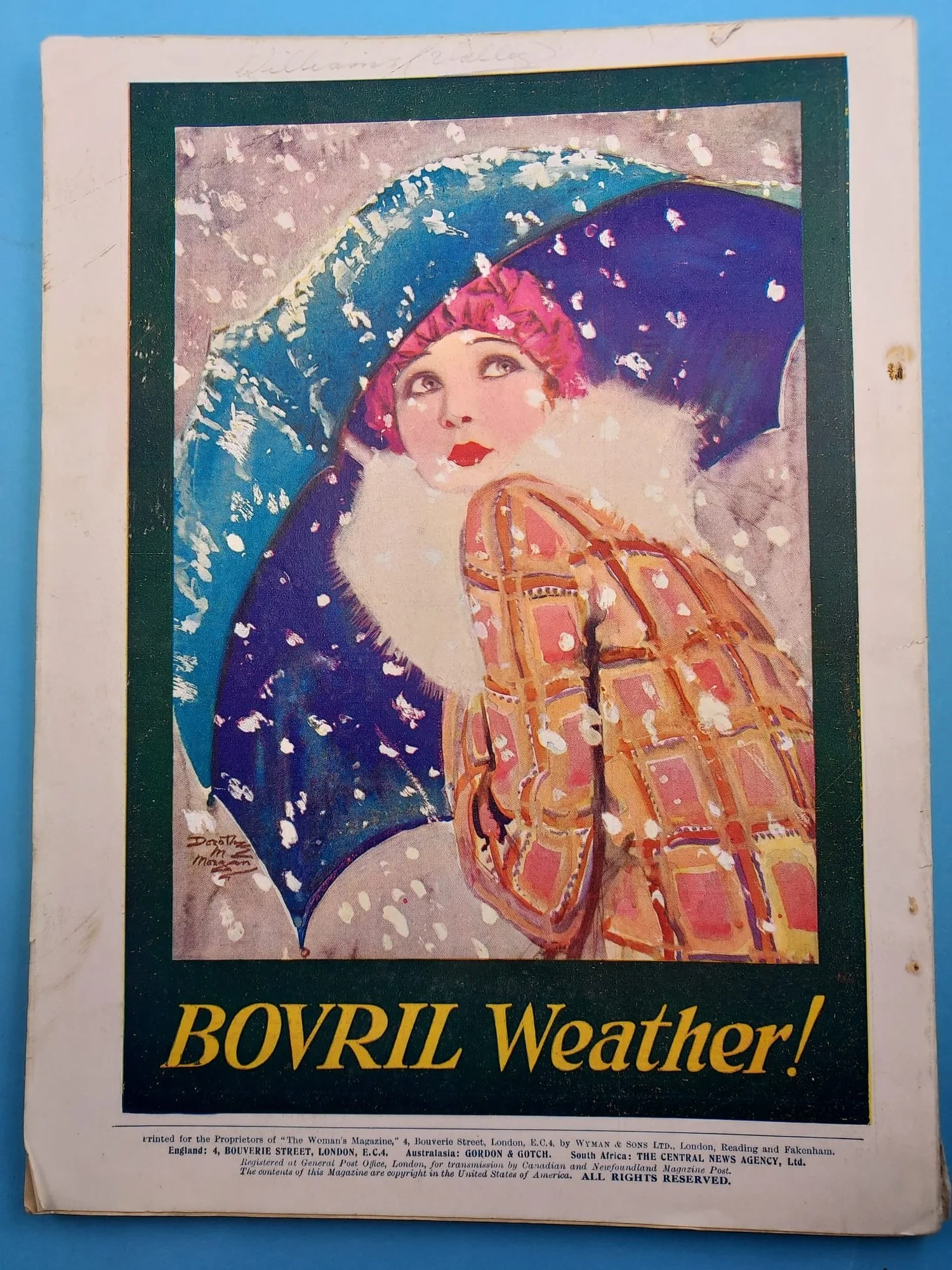
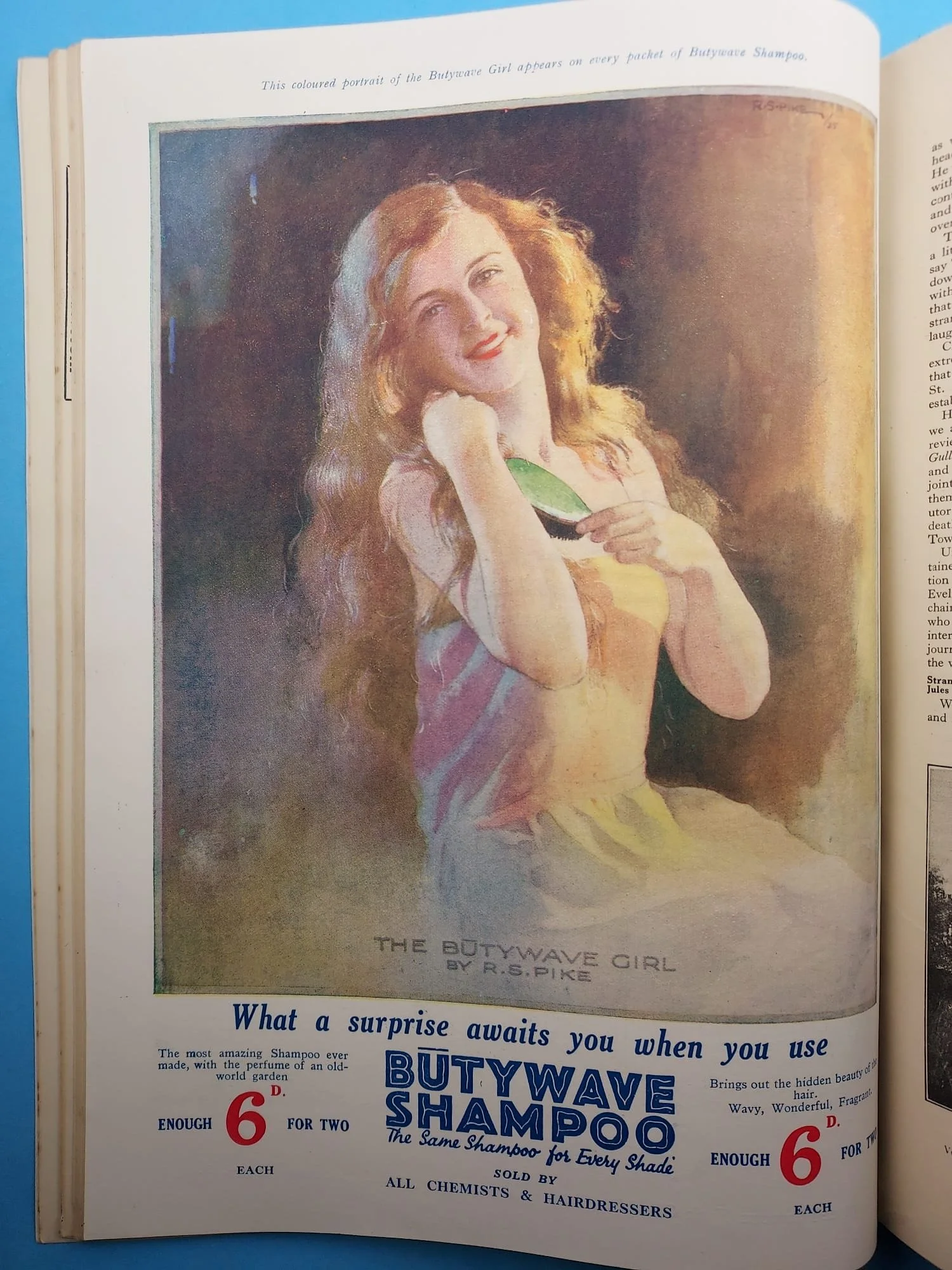
Stay with me, because I’m starting with a different title, Girl’s Own Paper (GOP). Our featured title (Woman’s Magazine) is inextricably linked with GOP. GOP ran from 1880 as a weekly until 1907 when, under a new editor, it became a monthly and changed to Girl’s Own Paper and Woman’s Magazine, with the GOP bit disappearing from the front cover. In about 1930 it simply became Woman’s Magazine, with GOP spun off as a separate title again (I think). This is important because after that, in 1947, GOP became GOP and Heiress, and we featured this title a few months back (https://www.richardrobertsarchive.org.uk/stockport-advertising-archive-blog/heiress)
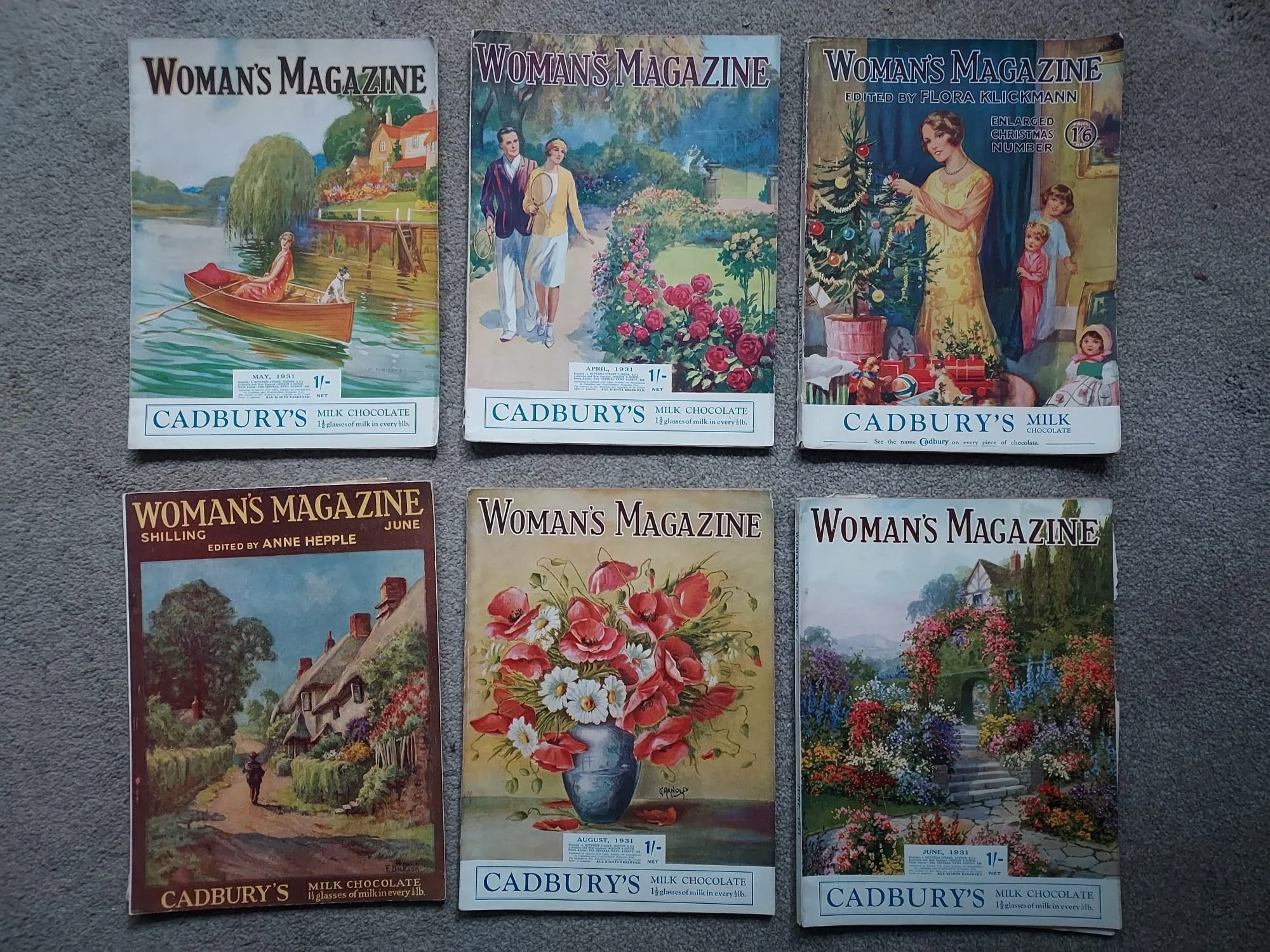
Anyway, Woman’s Magazine. We have a few copies for 1913 and 1914 but most are from 1929–32, and how much longer after that Woman’s Magazine lasted I don’t know. I suspect not for long, as women’s magazines were about to take off and adopt a broader and more modern appeal: knitting patterns, fashion, cookery, that kind of thing. And, it has to be said, Woman’s Magazine was rather of its time. Published by the Religious Tract Society, it was earnest and featured lots of heartwarming fiction and sound advice but not much else. The price – a shilling – put it firmly in the middle-class bracket. Plus, the reason behind the smothering of the ‘GOP’ on the cover may well have arisen from an identity crisis: was this a magazine for women, or for girls?
The covers were attractive but unrelated to the content: colour paintings of twee village scenes, couples playing tennis, lakeside scenes and all that. We can identify the following artists: Maude Angell, C.J. Vine, C.H. Wood, Frank Dickson, Percy B. Hickling, J. Halford Ross, Charles Arnold and Anne Rochester, and their style is similar throughout. You wouldn’t miss it on the newsagent’s shelf. Most of our covers have a Cadbury’s chocolate banner at the bottom – perhaps Cadbury’s paid for the artwork?
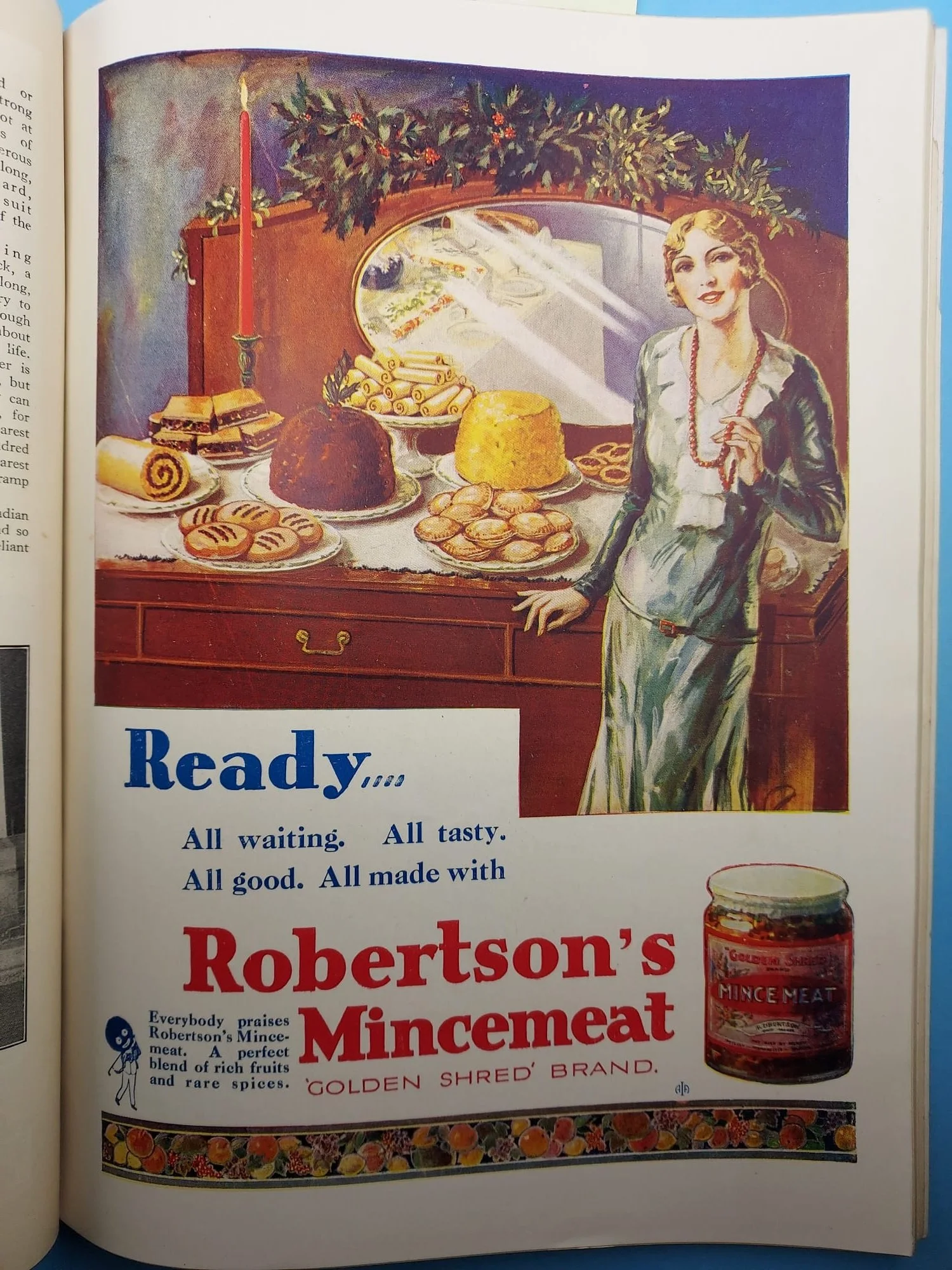
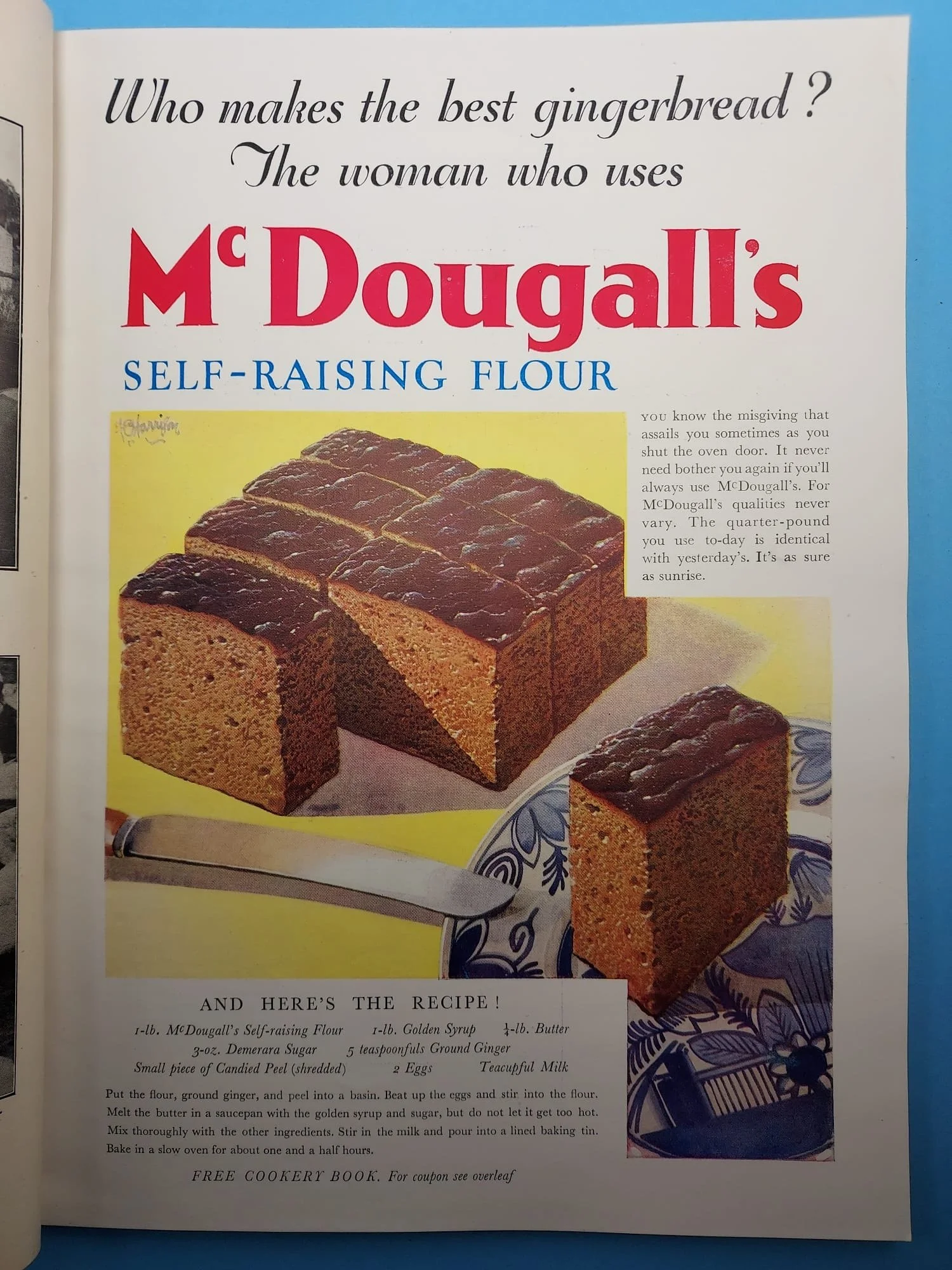
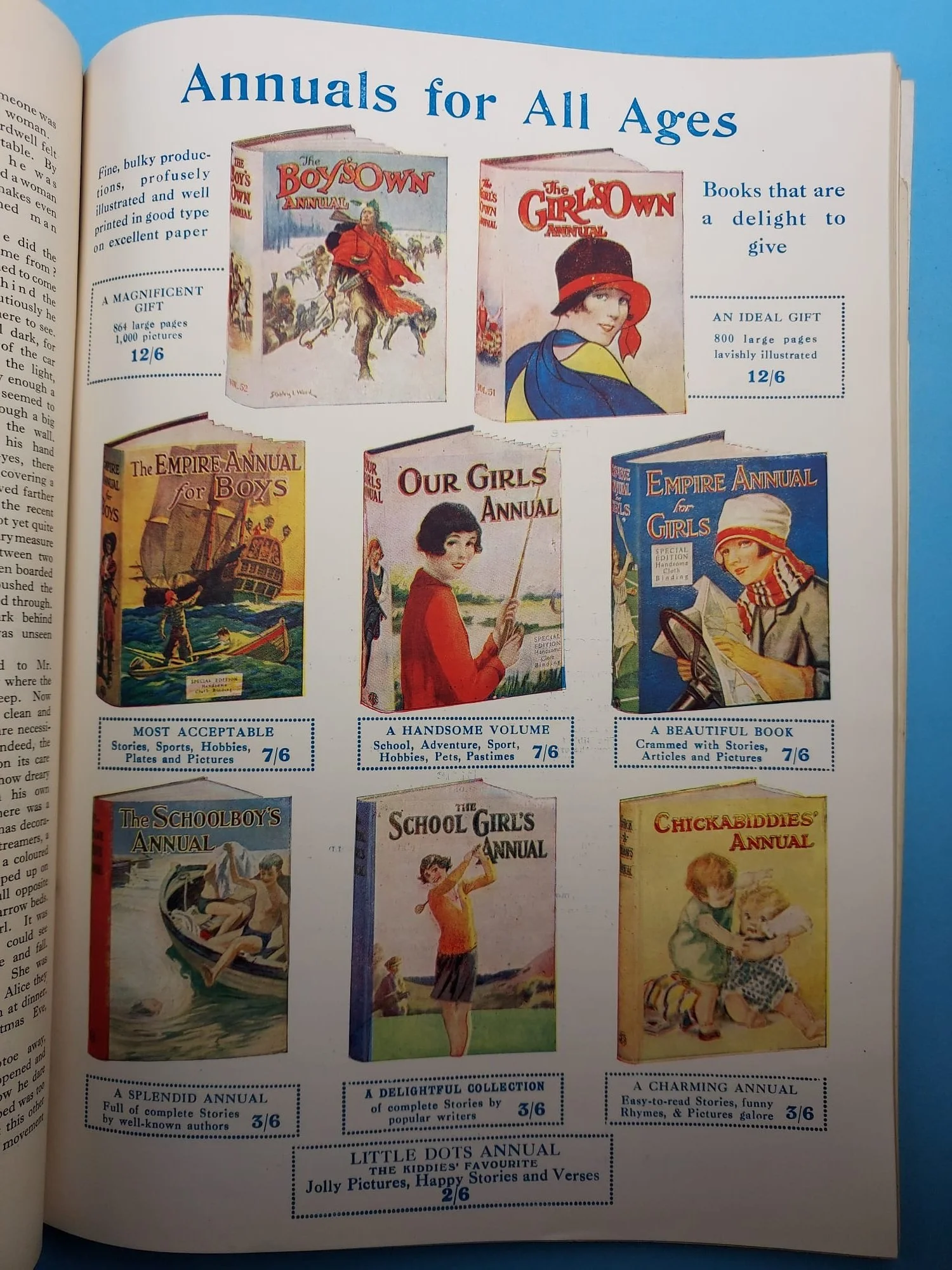
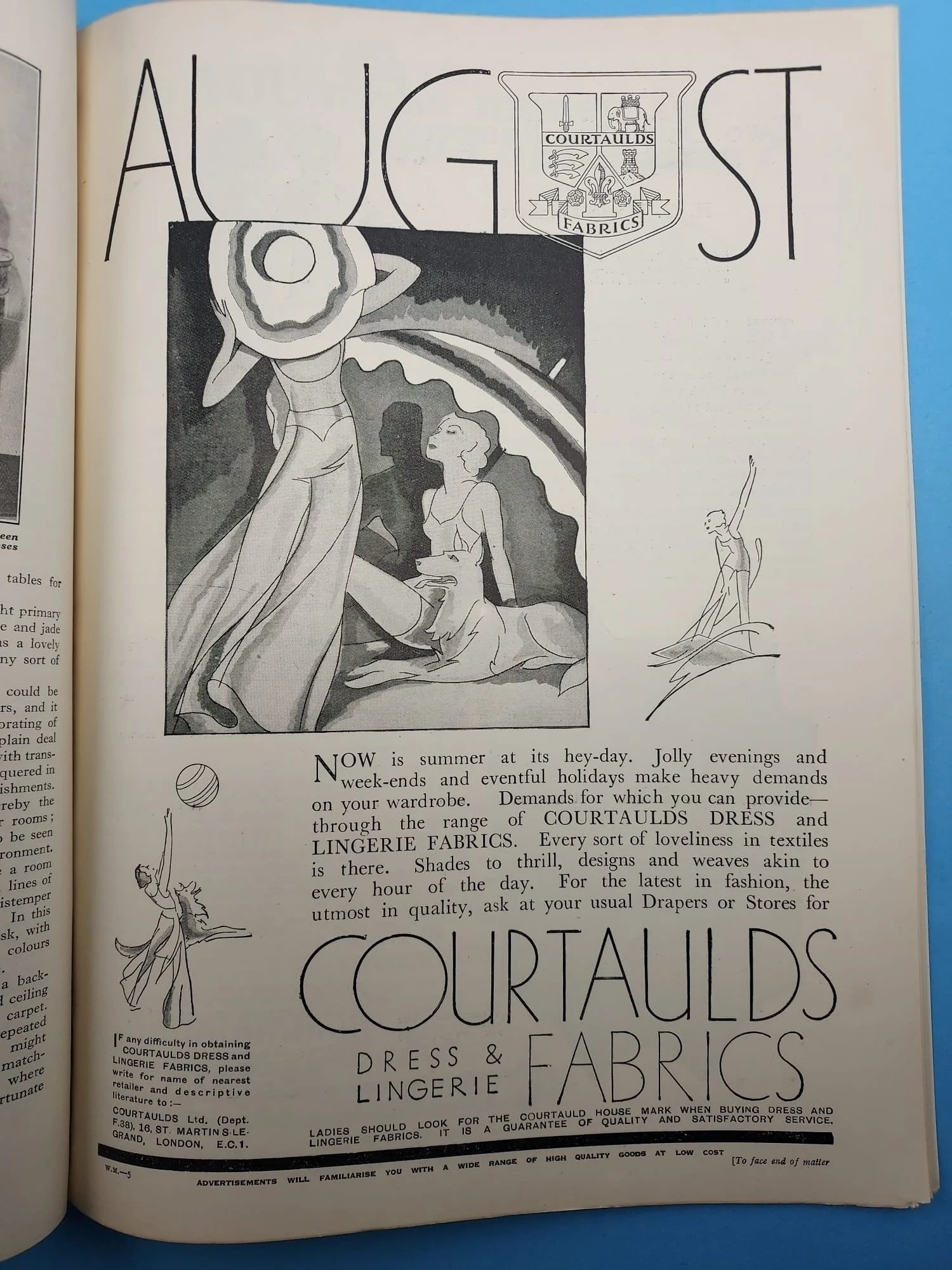
The small ads are, of course, a delight. At a glance there’s chocolates, health (notably how to deal with ‘bad legs’), corsets and ‘health belts’, marmalade, fabric and Ovaltine. Each copy has a single full-colour-page ad within, so with the back cover ad that makes three full-colour full-page ads per issue. It’s those ads I’m making a feature of here – Rowntree’s York chocolates and jellies, Bovril, Butywave shampoo, Robertson’s mincemeat, McDougal’s flour. I like the ad for the boys’ and girls’ annuals, and know now there was a pecking order: the Girl’s Own Annual was 12s 6d whereas the School Girl’s Annual was 3s 6d. Huge difference.
Actually, there’s a charming tale behind how we came across the magazines. They belonged to Elsie Elizabeth Clarke, a wonderful lady whose first husband died in the First World War. In 1927 she married John Clarke, and they were together for the rest of their lives, mostly in North Wales. It is through John’s niece, now living in South Africa, that the magazines came to us, and we are most grateful they did.