Woman and Home magazine, 1968
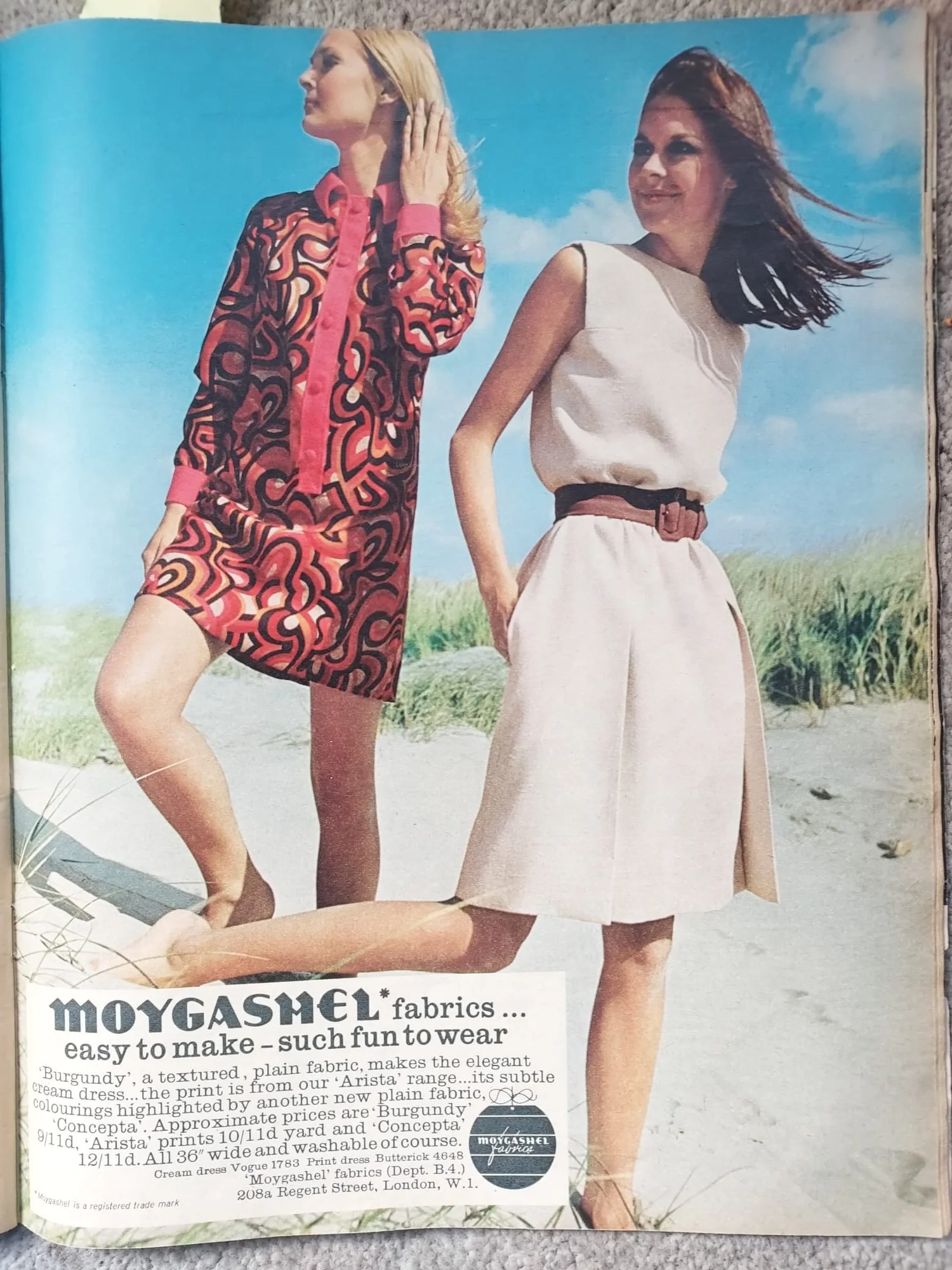
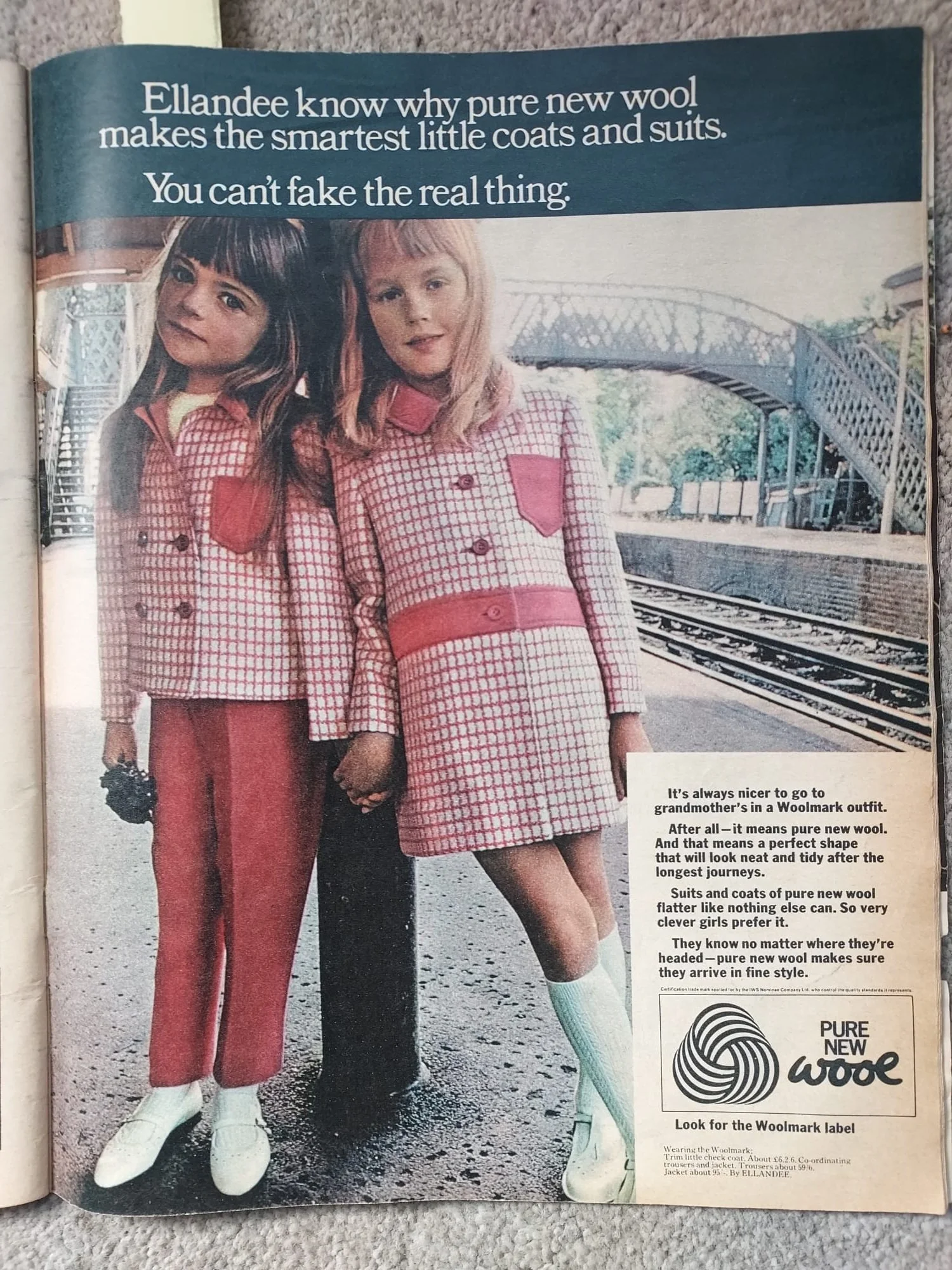
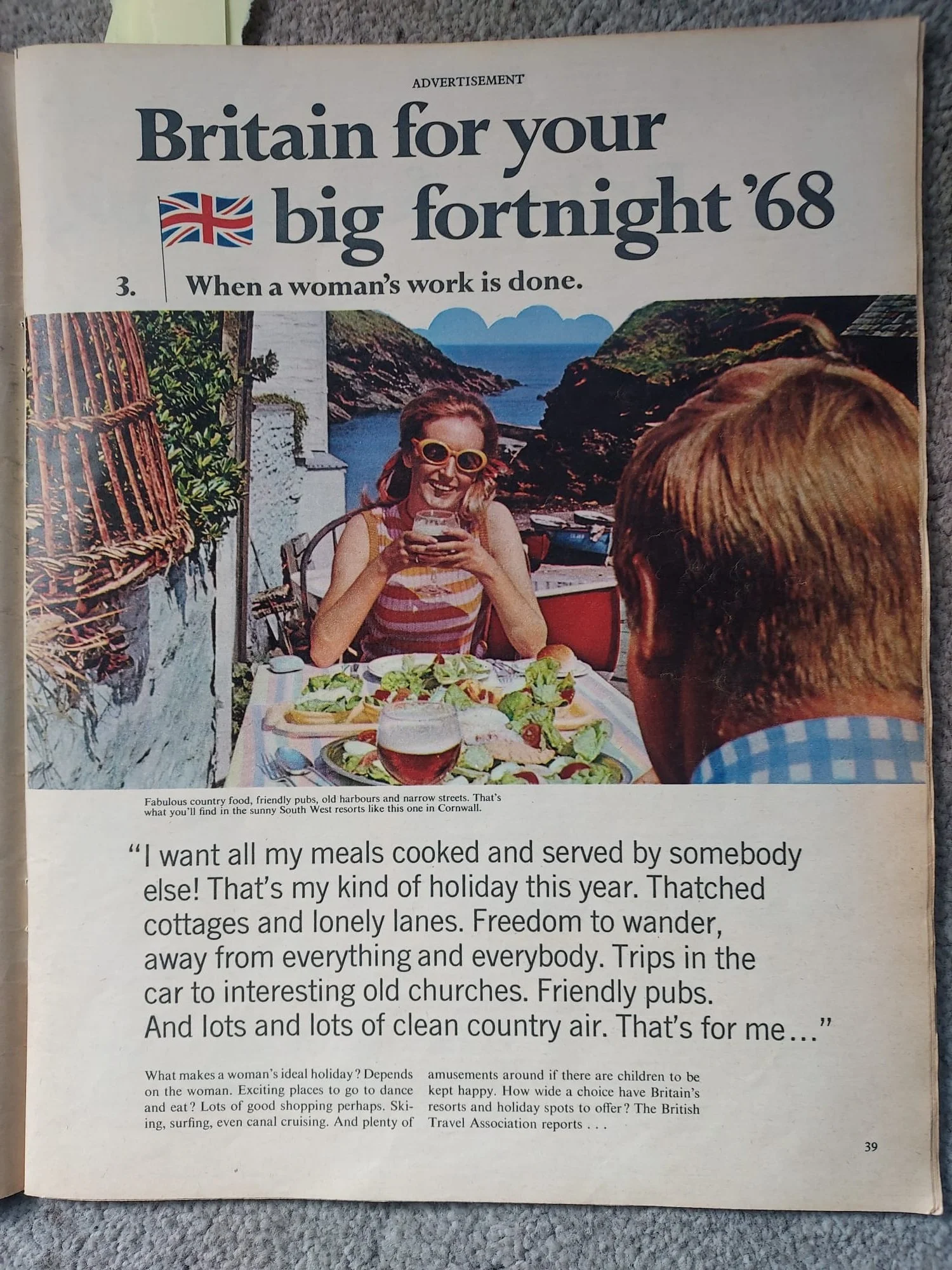
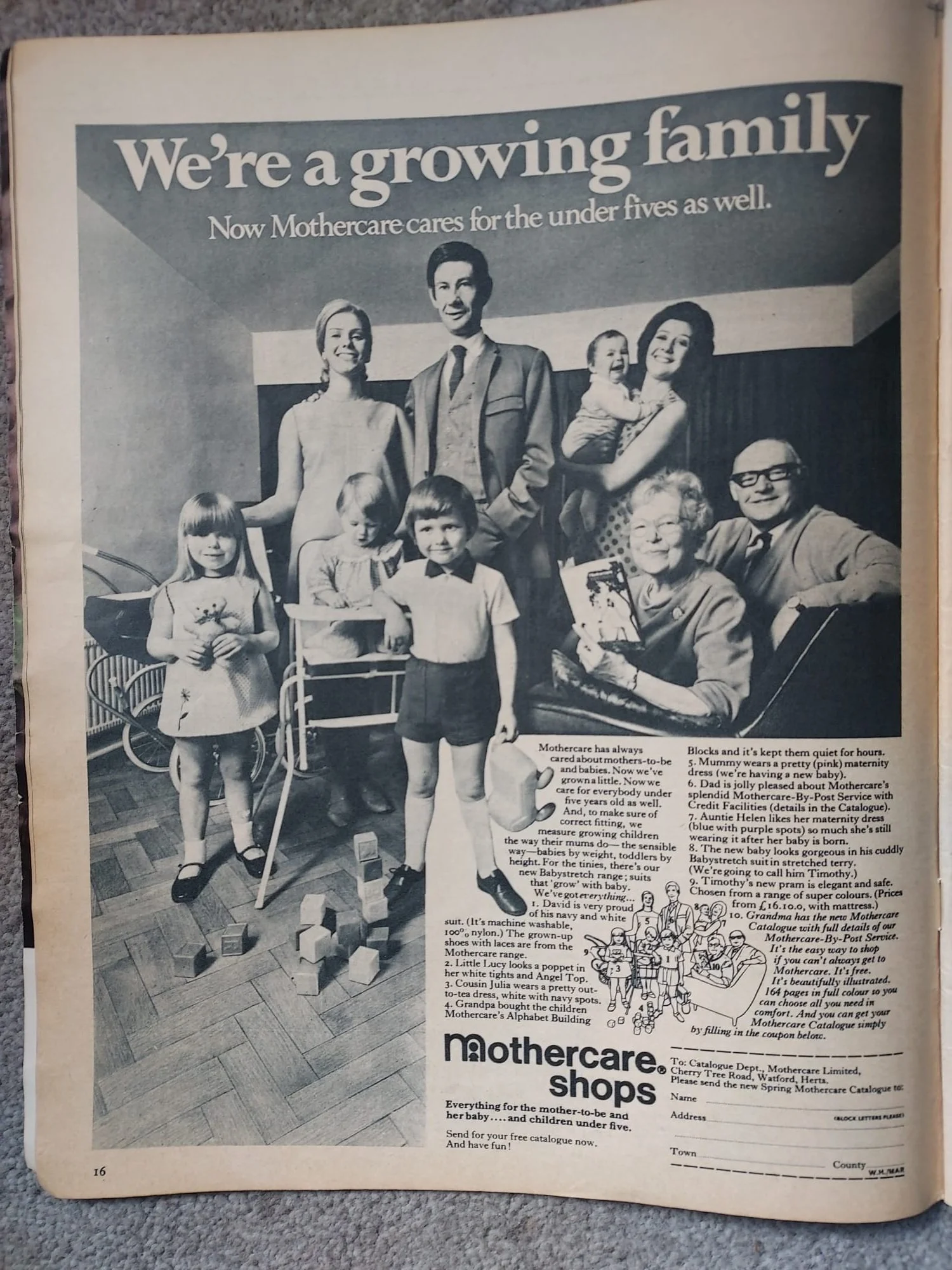
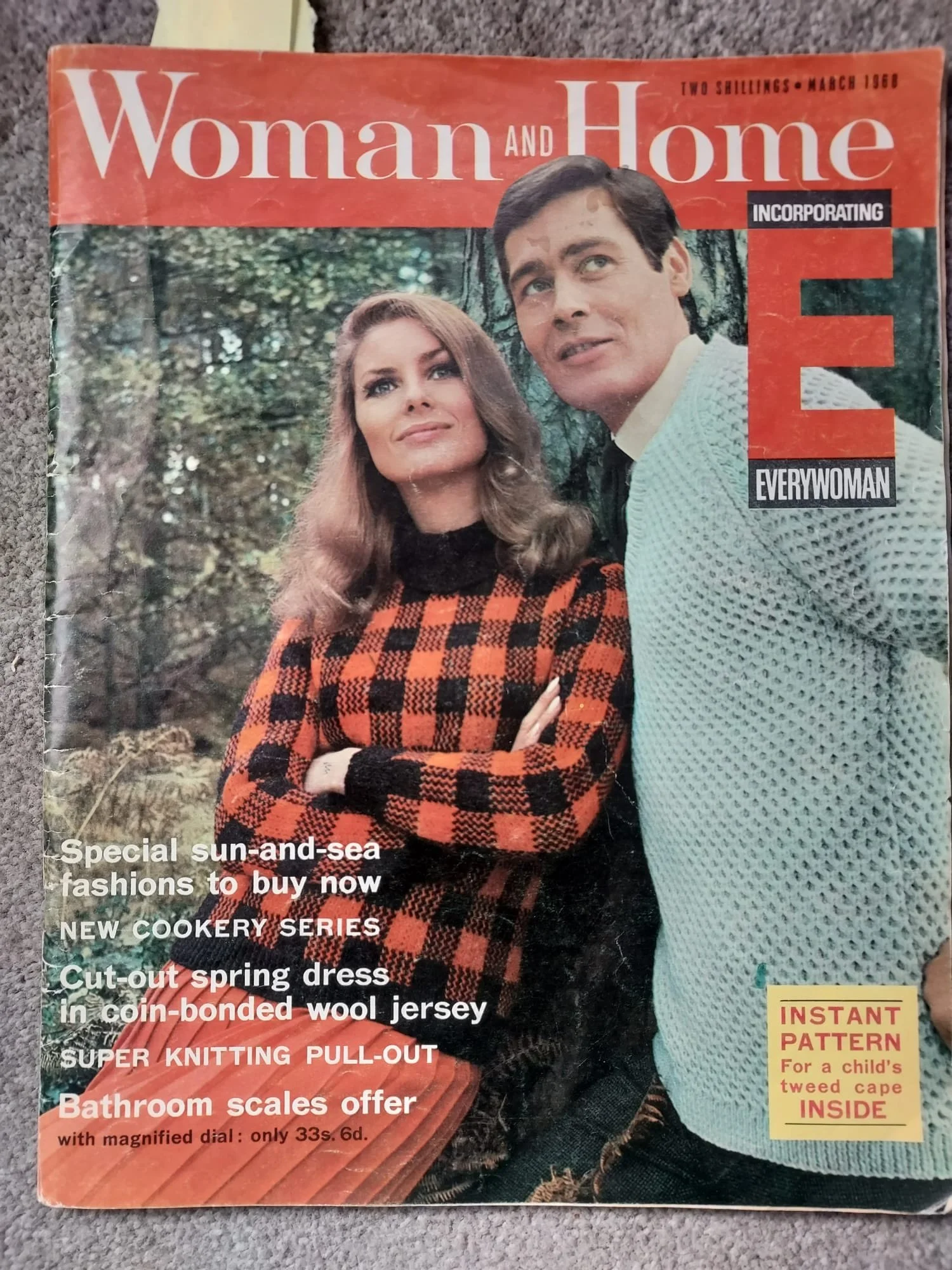
A copy of Woman and Home from 1968 awaits cataloguing so before it goes on the shelf here’s an opportunity to take a look inside. This title celebrates 100 years this year, and is still in print. I notice our 1968 copy incorporates Everywoman, another similar title which (we think) started around 1939 and was about to fizzle out.
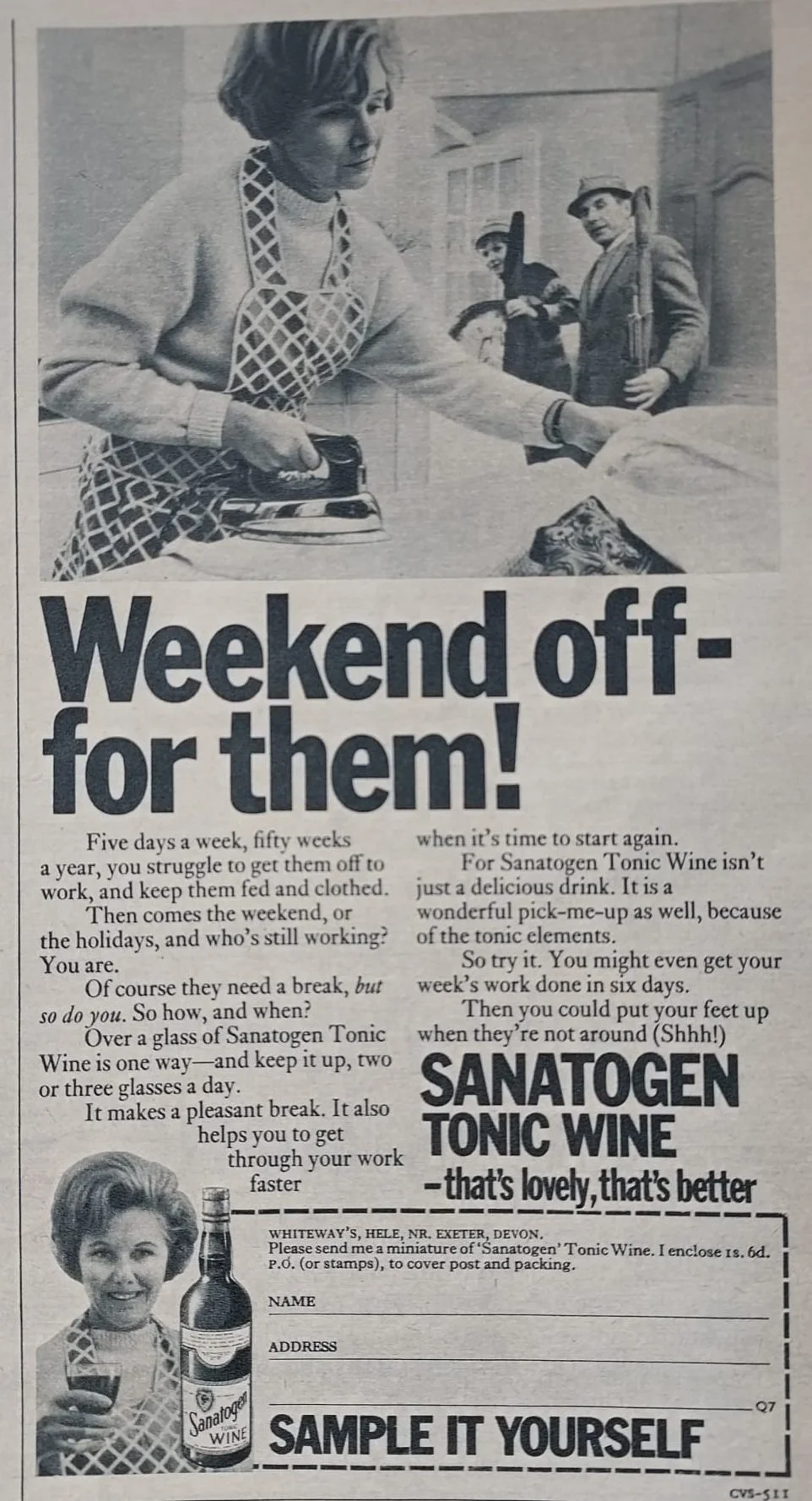
Ours is a monthly and cost 2 shillings, and is a blend of knitting, sewing, fiction, cookery, fashion, beauty and advice. It was unashamedly for the woman at home and in the kitchen, and in this respect one ad stands out – for Sanatogen tonic wine. You work for the family five days a week, fifty weeks a year (to paraphrase), and even weekends and holidays. So you may as well get plastered on this ‘tonic’ (the ad even suggests three glasses a day – not bad going at 15%!).
As for taking your holiday, one ad by the British Travel Association for the ‘big fortnight ’68’ (when the local factory shut down for the summer break) features a happy housewife saying ‘I want all my meals cooked and served by somebody else! That’s my kind of holiday this year.’
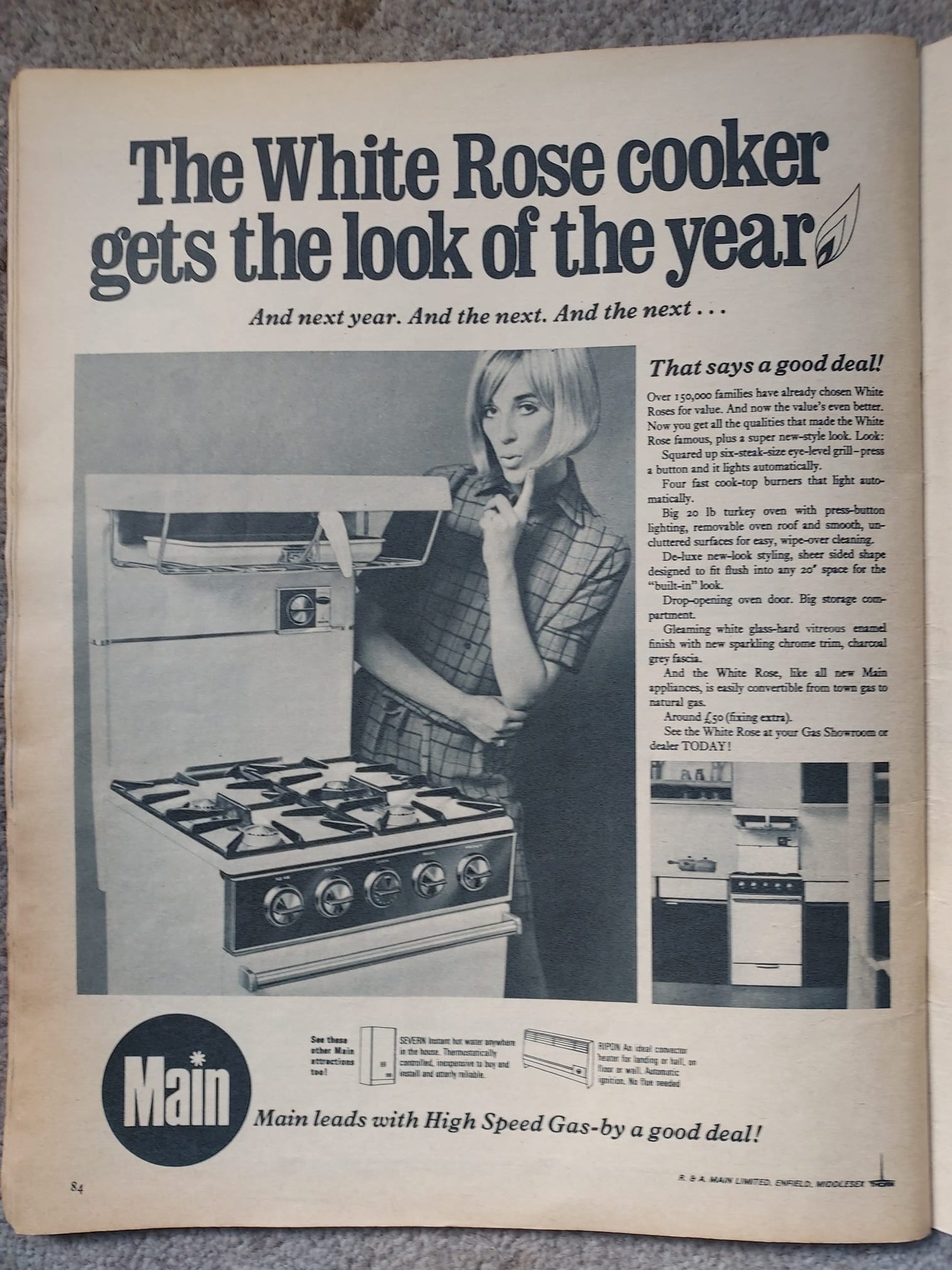
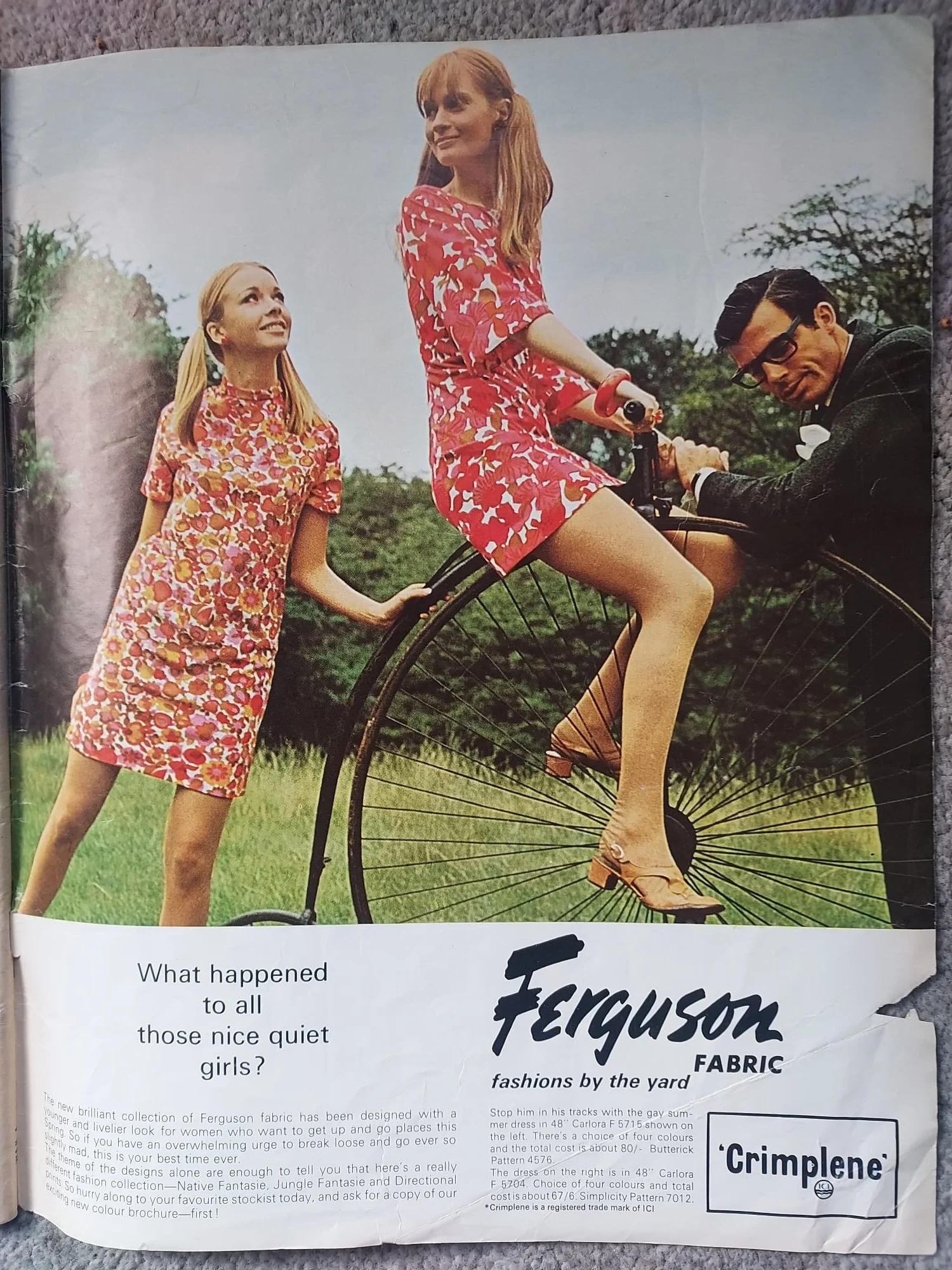
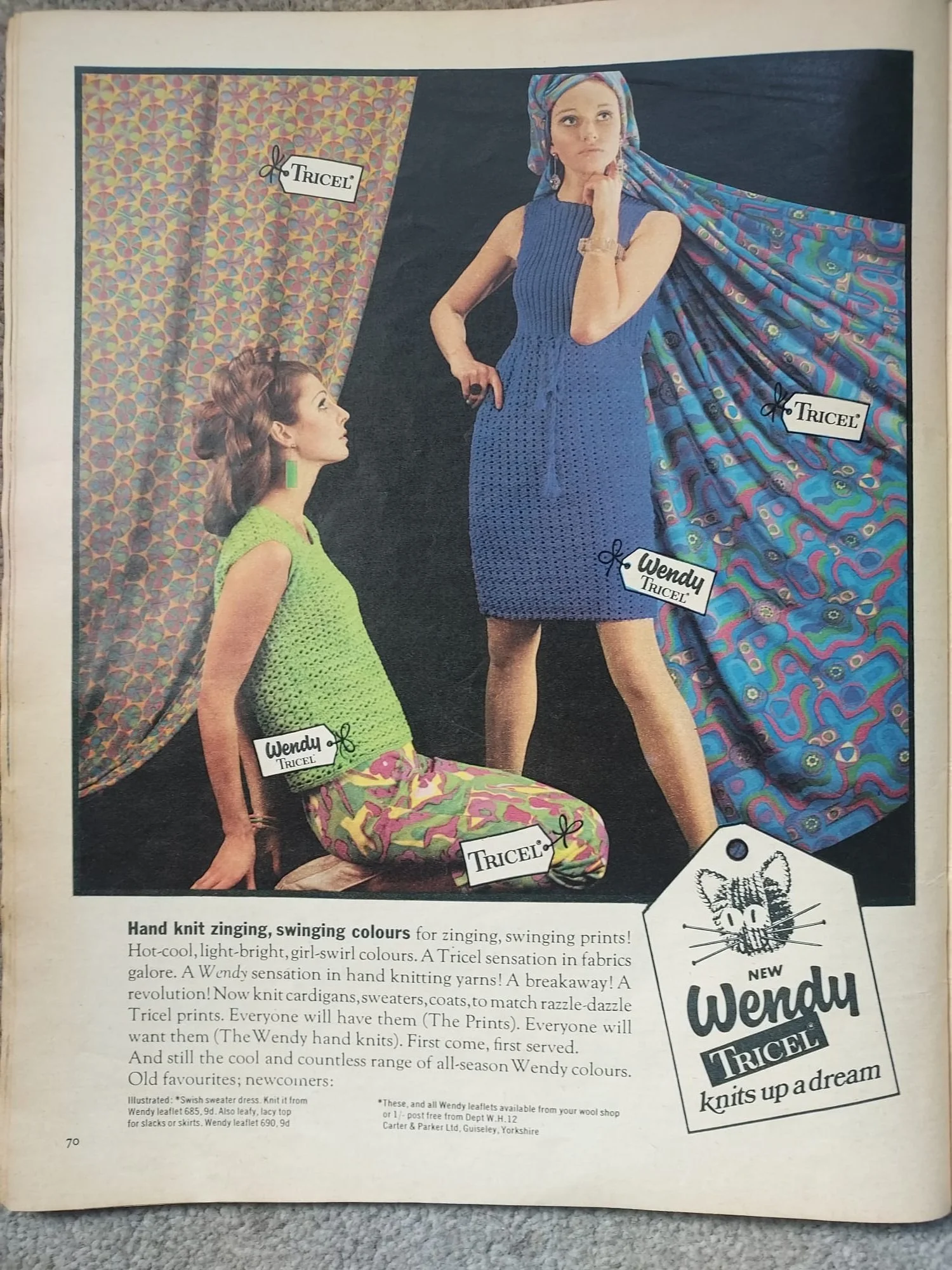
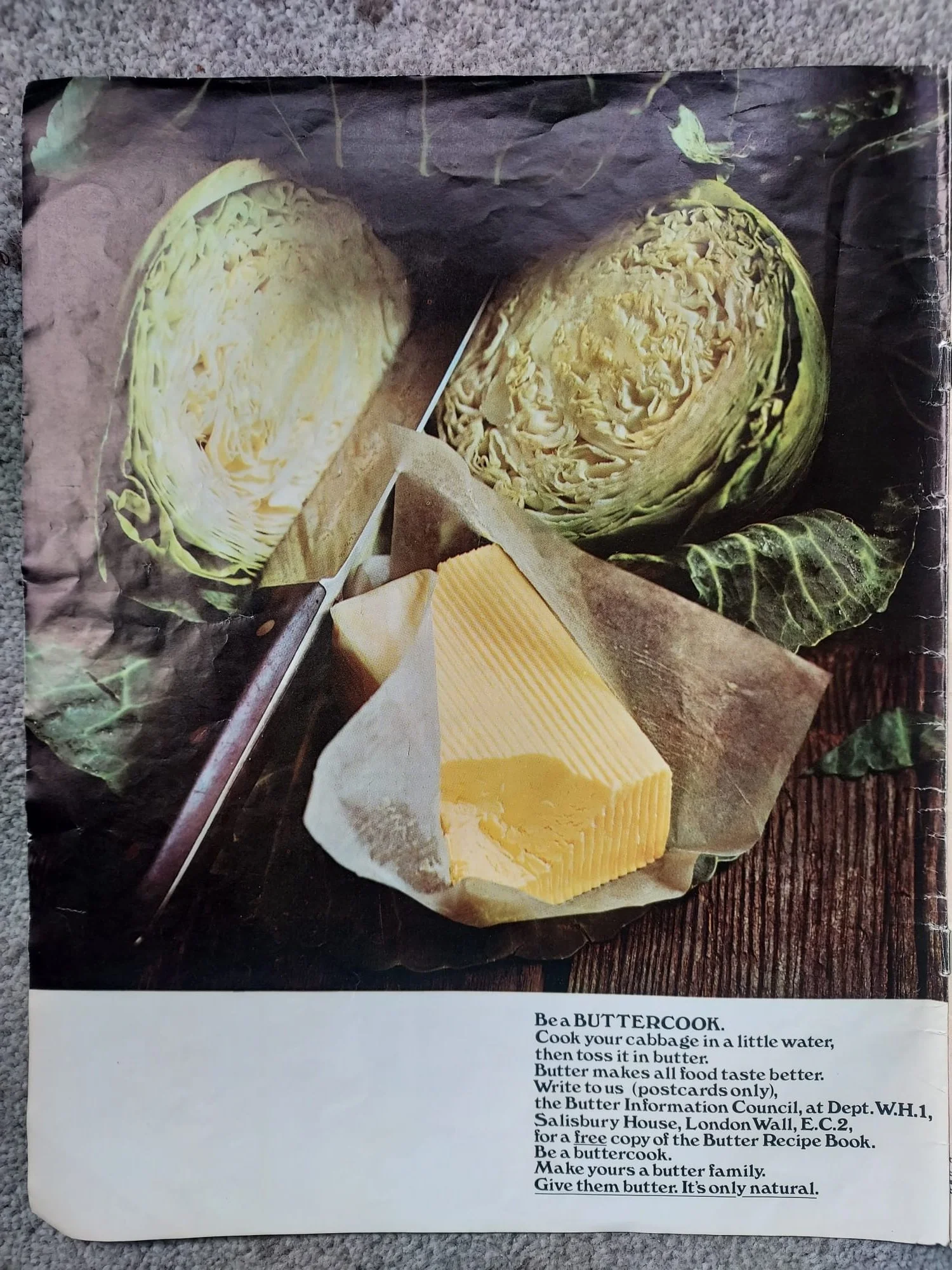
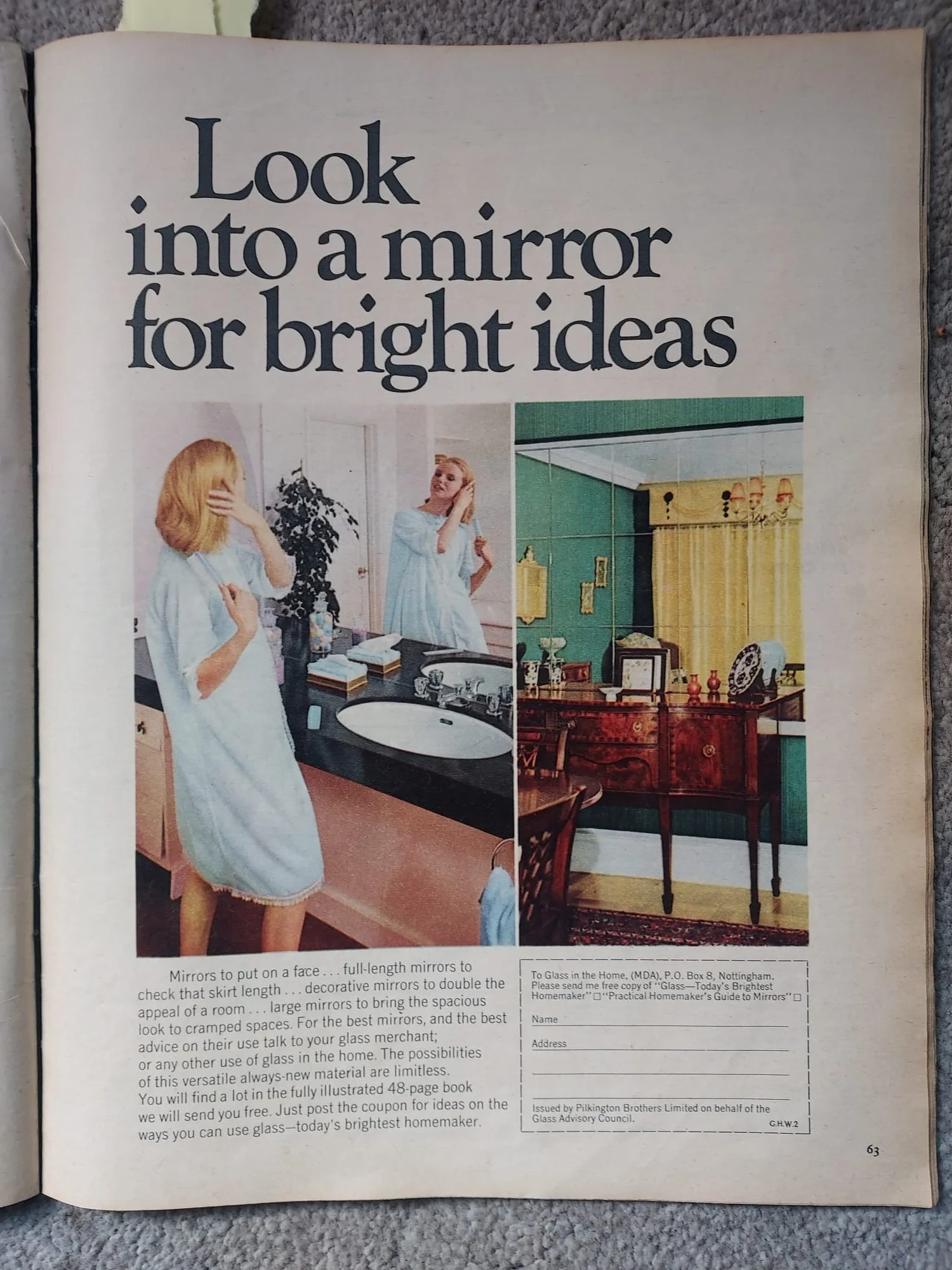
I was surprised by the ‘general’ ads – one for butter (Butter Information Council), another for mirrors (Glass Advisory Council). It’s the 1960s so synthetic fabric is very much in fashion (Moygashel, Ferguson’s Crimplene and Wendy’s Tricel), but wool manufacturers (Woolmark/Ellandee) were fighting back (‘You can’t fake the real thing’). Meanwhile, as more households were connected to gas, Main were promoting their White Rose cookers, while Mothercare were branching out into the under-fives bracket.